
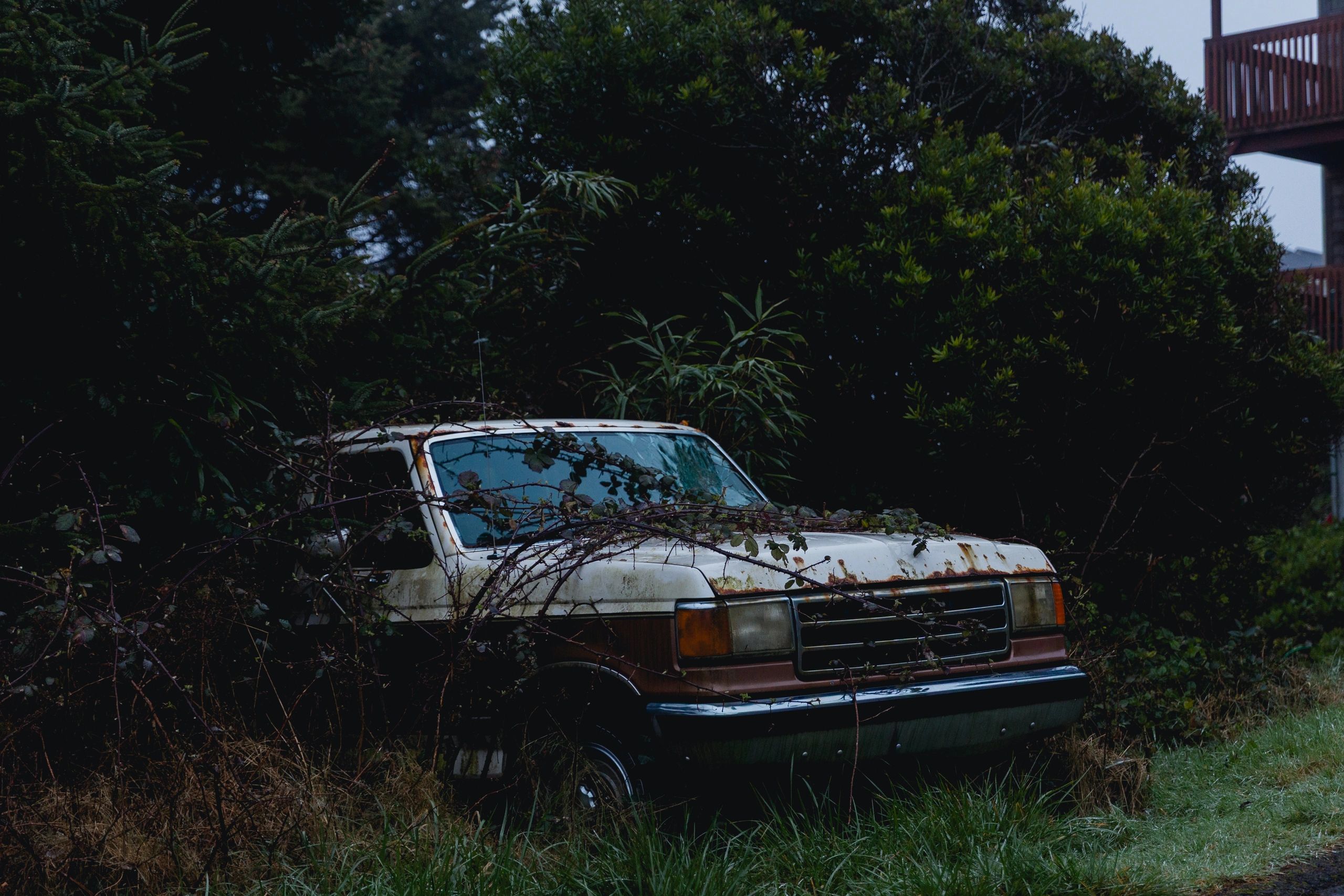
By Cars Buyer · Last updated 10 October 2026
Selling a written-off car in Queensland can be different from selling a normal used car. The vehicle’s recorded status, its damage and whether it can be moved safely all matter. This article gives general information only. Check current Queensland Government, insurer and transport guidance for your own vehicle before you make a decision.
Know the write-off status
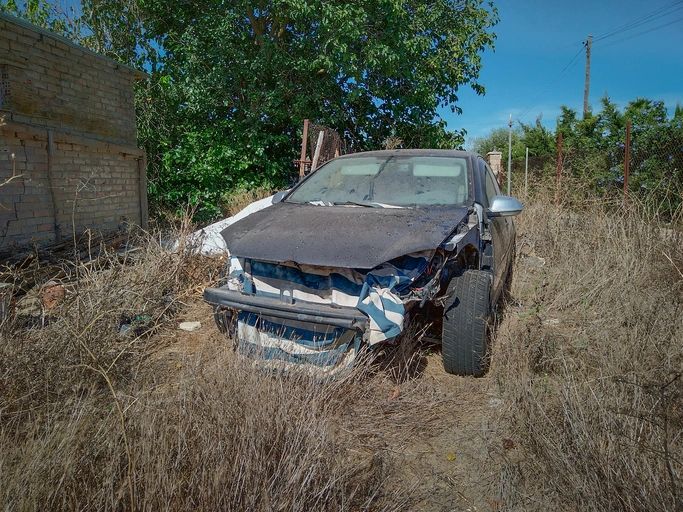
Written-off vehicle information is recorded through the Written-Off Vehicle Register, often called the WOVR. A statutory write-off is a vehicle assessed as too badly damaged to be repaired for road use. A repairable write-off may be capable of repair, but rules and checks can apply before it can return to the road. Do not assume a written-off vehicle can be registered, driven or sold as roadworthy without checking the current rules.
The status can affect who may be interested in the vehicle and how it should be described. It can also affect transport and collection plans. If you are unsure what the status means, ask your insurer or a qualified adviser and check official information.
Collect the right records
Keep insurer letters, assessment reports, ownership records and any repair information. These documents can help you explain the car clearly. Check the vehicle’s status through the right official channels. For Queensland handover information, see the registration transfer and paperwork guide.
Take clear photos in daylight. Photograph the front, rear, sides, interior, odometer and visible damage. Photos do not replace an inspection, but they can help a buyer understand the condition before arranging collection.
Describe damage honestly
Give the make, model, year, kilometres, location and known damage details. Say whether the car starts, rolls and steers. Mention deployed airbags, leaking fluids, damaged wheels, broken glass, missing parts and warning lights. Do not call the vehicle roadworthy, repairable or registrable unless you have reliable information to support that statement.
For severe collision damage, visit cash for wrecked cars. If the vehicle has water damage, see cash for flood-damaged cars. These pages can help you decide what details to share when requesting an assessment.
Plan safe collection
Do not drive a vehicle that may be unsafe. Tell the collection team where it is parked and whether it can move. Explain any access limits, such as a narrow driveway, basement car park, steep slope, locked gate or busy roadside. If the tyres are flat or the steering is locked, say so before booking.
A damaged vehicle may need different equipment from a normal running car. Accurate details help the collection team prepare. You can read Car Removal and the car removal booking guide for more collection tips.
Choose a selling path
Some owners choose to repair a vehicle, while others sell it in its current condition. The right choice depends on the write-off status, repair cost, safety, available documents and your own plans. A buyer that assesses damaged or non-running vehicles may be suitable when you do not want to arrange repairs. See Cash for Cars Brisbane for the general process.
Before the handover
- Remove personal belongings, toll tags, garage remotes and number-plate accessories you plan to keep.
- Keep insurer, sale and collection records.
- Tell the buyer about finance owing, if any.
- Check registration and insurance steps that apply to you.
- Keep keys and ownership information ready for the agreed handover.
Simple tips to avoid delays
Use plain language when you describe the car. Do not guess about its status or repairs. If you do not know an answer, say that you need to check. Keep photos and documents together. Confirm the pickup address, contact person and access instructions before the collection date. These small steps can make the process easier for everyone.
For a direct next step, request an assessment for a written-off vehicle and include the car’s condition, location and known write-off information.