
By Cars Buyer · Last updated 10 October 2026
Selling an electric vehicle or hybrid car is easier when you prepare clear information about the battery, charging equipment, service history and condition. Buyers may ask different questions from those asked about a petrol or diesel car. This guide uses simple language to help you prepare for a sale in Australia.
Understand your vehicle type
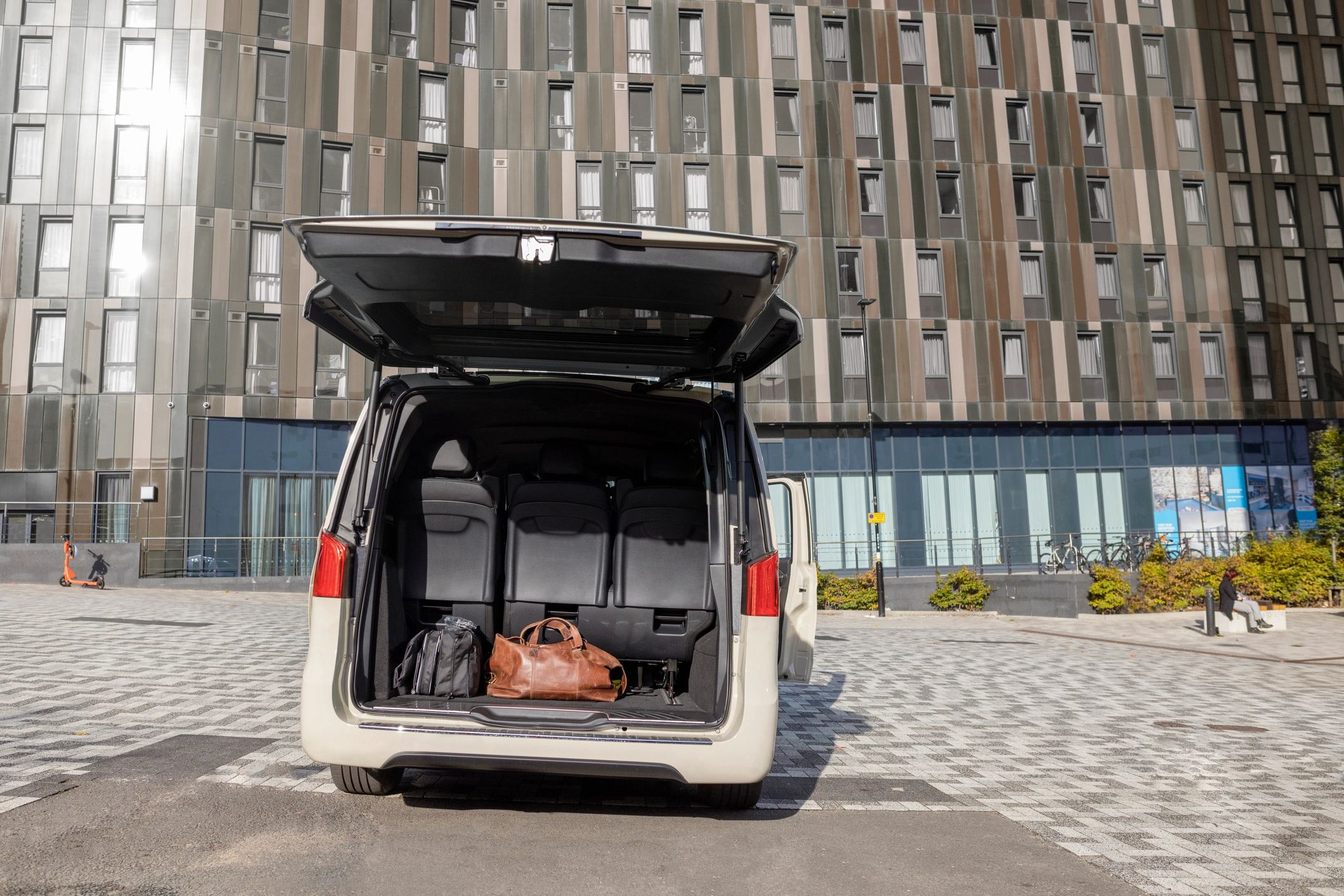
An EV runs using an electric motor and a high-voltage battery. A hybrid uses a battery and an engine. A plug-in hybrid can usually be charged from an external power source as well. Check the exact model name before you advertise or request a quote. This helps you describe the vehicle correctly and helps a buyer ask the right questions.
Prepare battery information
Battery condition can affect buyer interest, but one displayed range number is not a full battery health test. Range can change with weather, driving style, tyre condition, air-conditioning use, recent charging and road conditions. Note any warning lights, charging faults, battery repairs and remaining manufacturer warranty. If you need a formal battery assessment, speak with a qualified technician or the manufacturer’s service network.
Do not try to repair high-voltage parts yourself. If the car has been in a crash, flooded or has a battery warning, tell the buyer before arranging collection. Safety comes first.
Gather charging equipment
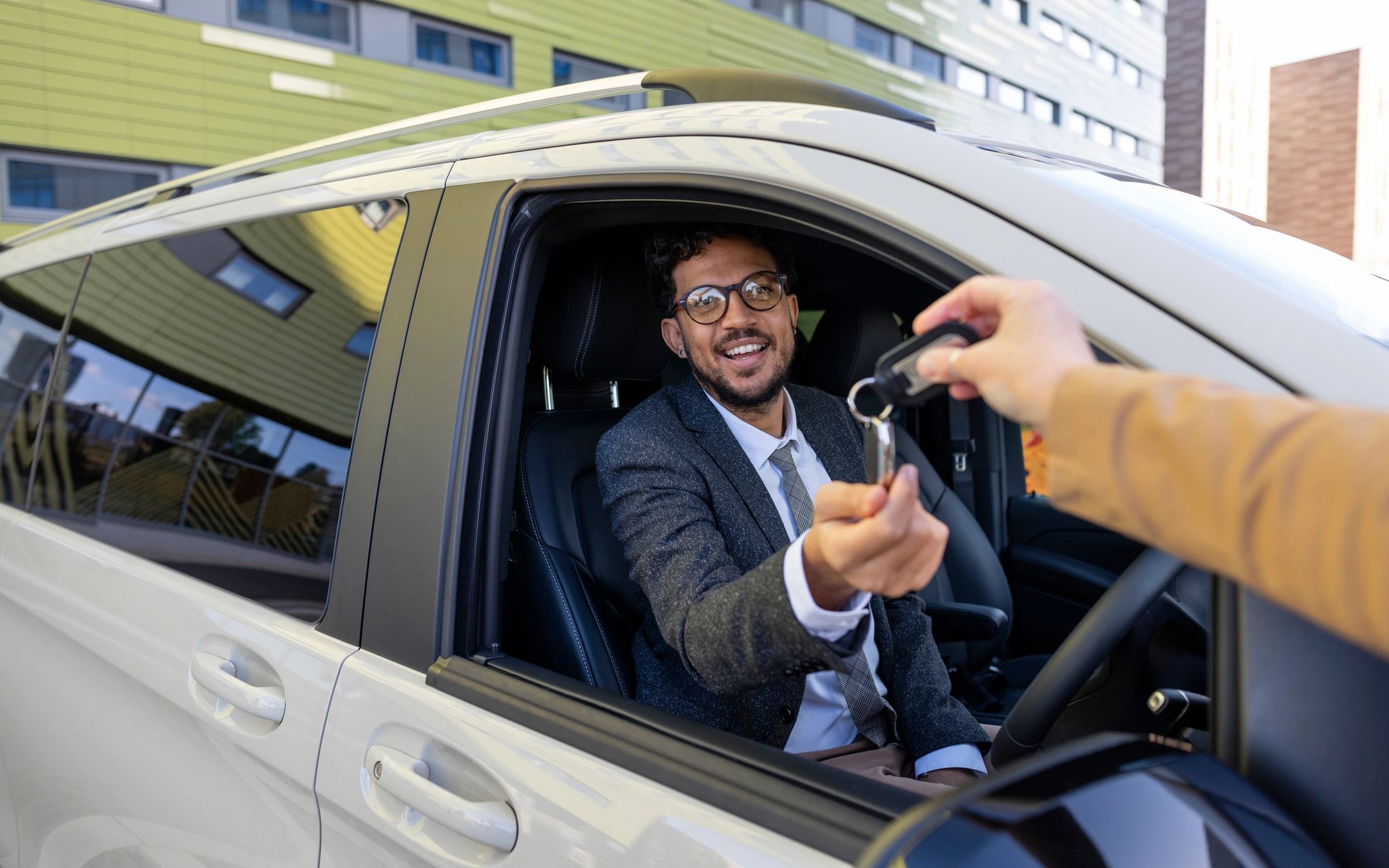
Put together the items that belong with the car. This may include charging cables, portable chargers, adapters, manuals, service books and both keys. Explain what is included and what is missing. If you have a home charger, only include it if it is part of the sale and you are allowed to remove it safely.
- Charging cable and portable charger, if supplied with the car.
- Adapters and storage bag, if available.
- Both keys and key cards.
- Service records, warranty papers and manuals.
- Any information about recent repairs or software updates.
Describe the car honestly
Provide the make, model, year, kilometres, condition and location. Mention accident repairs, water damage, warning lights, charging issues and whether the car can be driven. Take photos in daylight, including the exterior, interior, tyres, charging port and dashboard. Clear details can reduce unnecessary questions and help a buyer plan an inspection or collection.
Remove your personal data
Many EVs and hybrids store phone contacts, navigation history, garage locations and app connections. Before handover, remove your profile from the infotainment system where possible. Sign out of connected-car apps and follow the manufacturer’s instructions for a factory reset if appropriate. Remove toll tags, garage remotes and personal items from the car.
Check paperwork and finance
Keep registration, VIN, service and warranty documents ready. If finance is owing, read selling a car with finance owing before you finalise a sale. For Queensland handover guidance, see the registration transfer and paperwork guide.
Choose the right service
For a dedicated option, visit Sell Electric Car. You can also review Sell My Car and Cash for Cars Brisbane. If the vehicle is damaged or non-running, disclose that early and see Car Removal for collection information.
Final selling checklist
- Gather keys, charging equipment and service records.
- Record known battery warnings, charging issues and repairs.
- Take clear photos and give an honest condition summary.
- Remove personal data and belongings.
- Tell the buyer about damage, finance and collection access limits.
Cars Buyer serves Brisbane and wider Queensland. Find local coverage through Cars Buyer service areas. When you are ready, request an EV or hybrid quote with the key details about your vehicle.